
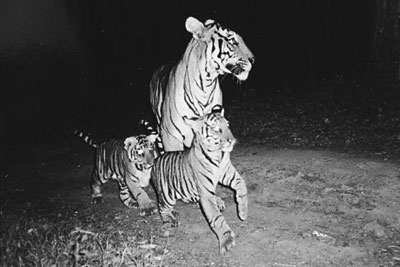
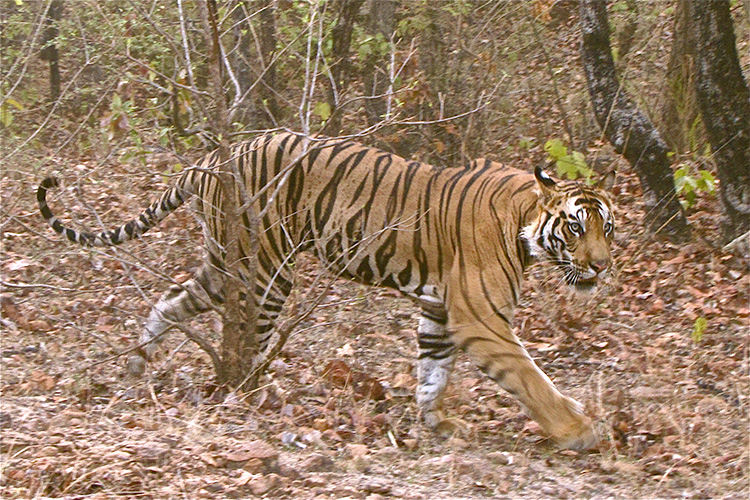
 Tigers "camera trapped" in Nagarahole as part of an ongoing scientific population estimation project
 Wildlife Science
Conservation efforts that are rooted in robust science have a better chance of success. An understanding of basic wildlife research principles and methodologies (like animal population estimations) is essential for the modern-day conservationist.
(Visited 11,388 times, 1 visits today)
 Old Dog, New Tricks: Methods to Count Dhole Numbers
 Monk’s patience, Owl’s wisdom – How a Fishing Cat Hunts
 Forest Birds Decline in Response to Land Use Change in the Western Himalaya
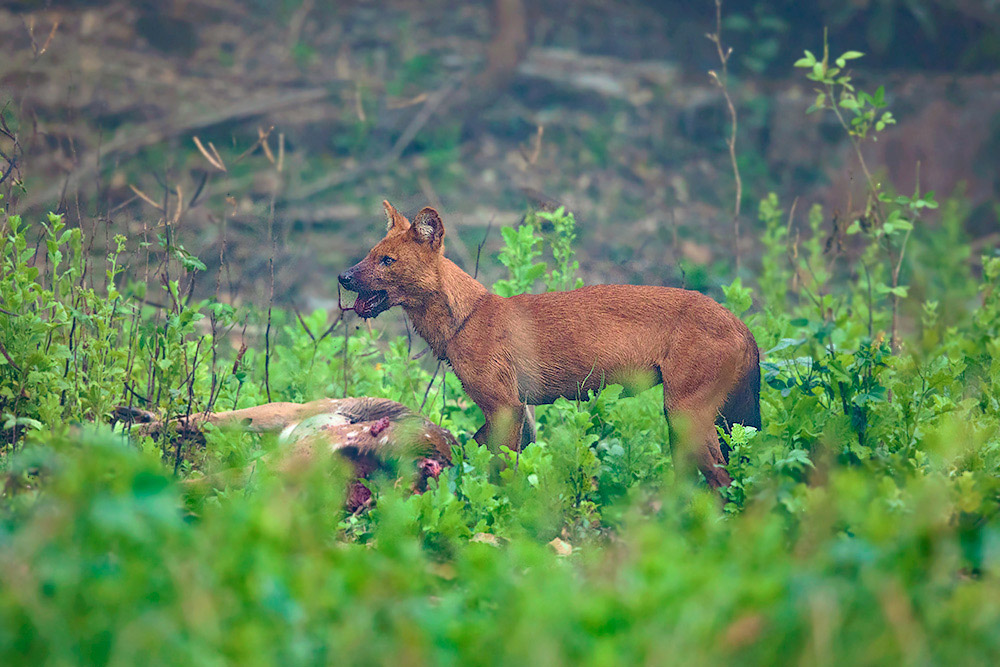 Counting Dholes: A First For India
 How the tiger can regain its stripes
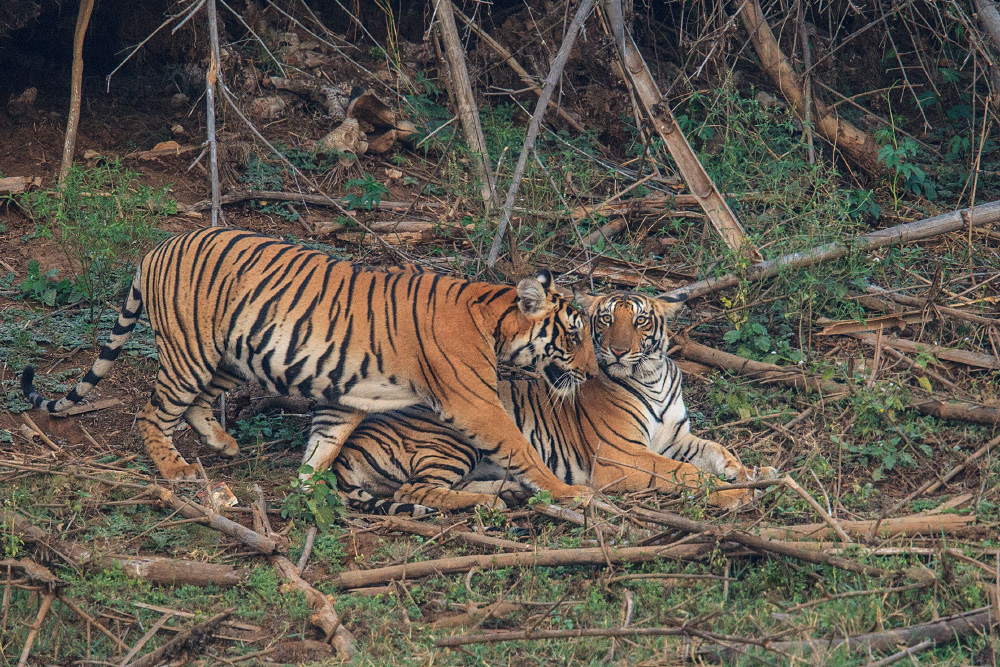 A Flawed Vision — Demystifying India’s Tiger Counts
 The Ethics of Utilising Drones in Wildlife Conservation and Monitoring
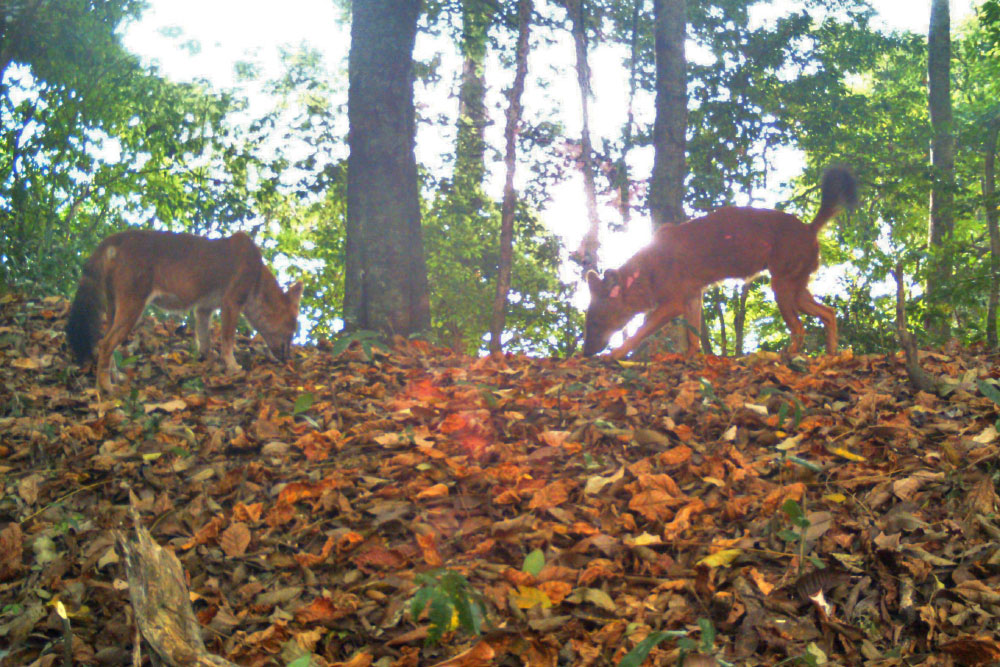 Conservation Status of Dholes (Asiatic Wild Dogs) in Northeast India
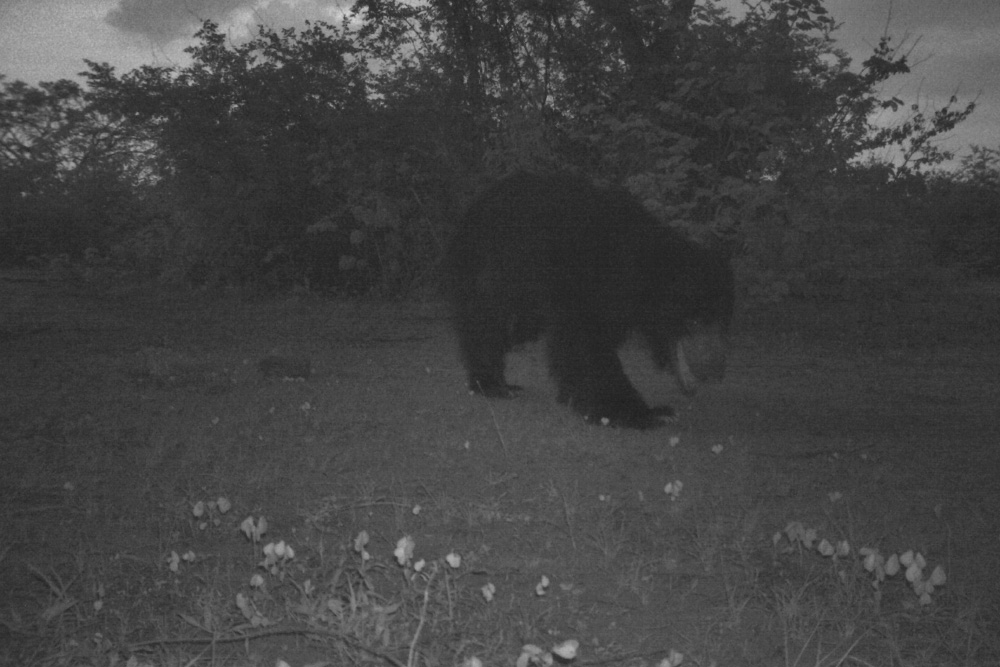 Uttar Pradesh’s first Sloth Bear Conservation Reserve Proposed in Mirzapur Forest Division
 Conserving the Dhole in Karnataka’s Western Ghats
 Friends in Wrong Places: Assessing the Impacts of Domestic Dogs on Wildlife in India
 The Importance of Woodlands in Tropical Agricultural Landscapes
 Hornbill Watch: A Citizen Science Initiative for Indian Hornbills
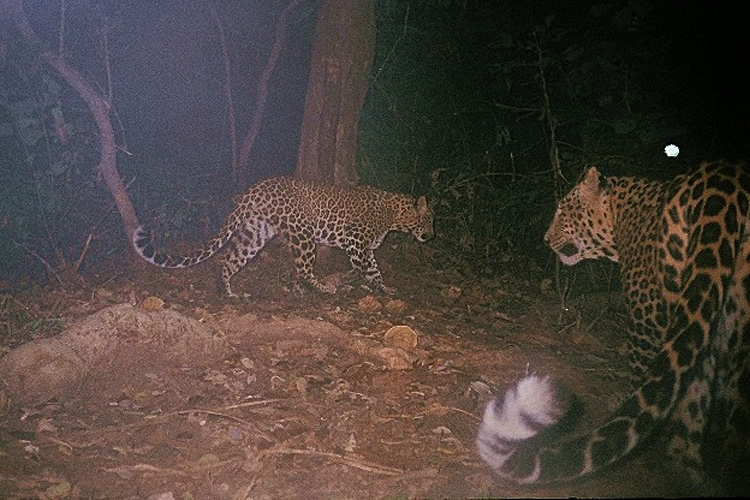
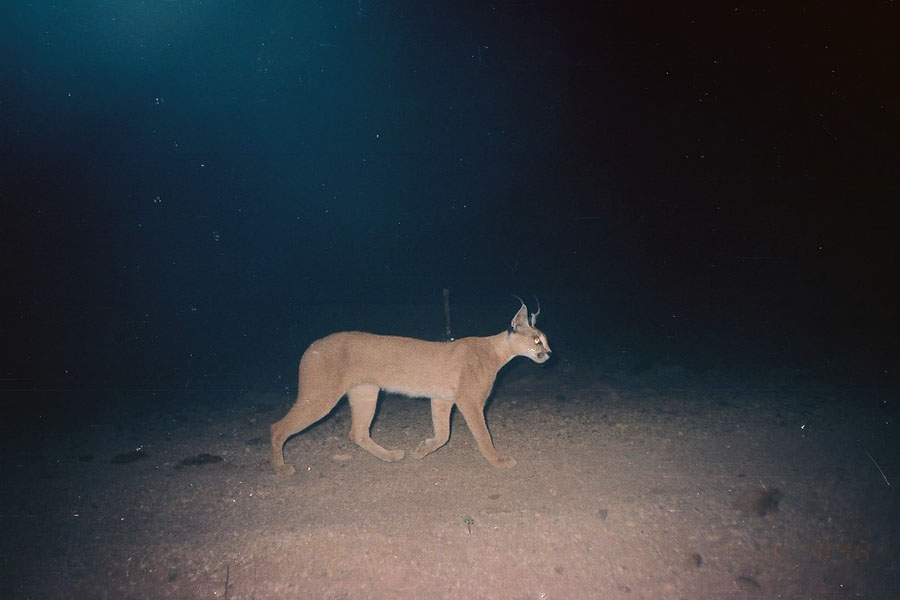
 The Forgotten Wild Cats of the Eastern Ghats
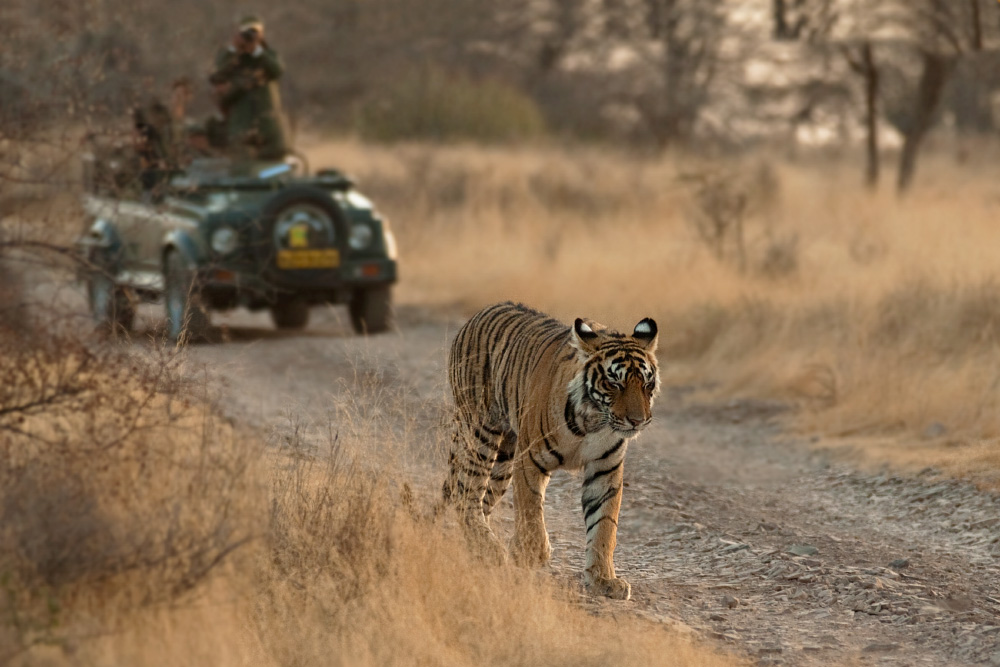 Trends and Pathways for Ecotourism Research in India
 Perceiving Animal: A Human Question
 Birds, Forests and Development in Himalayan Oak Forests: A Study in Progress
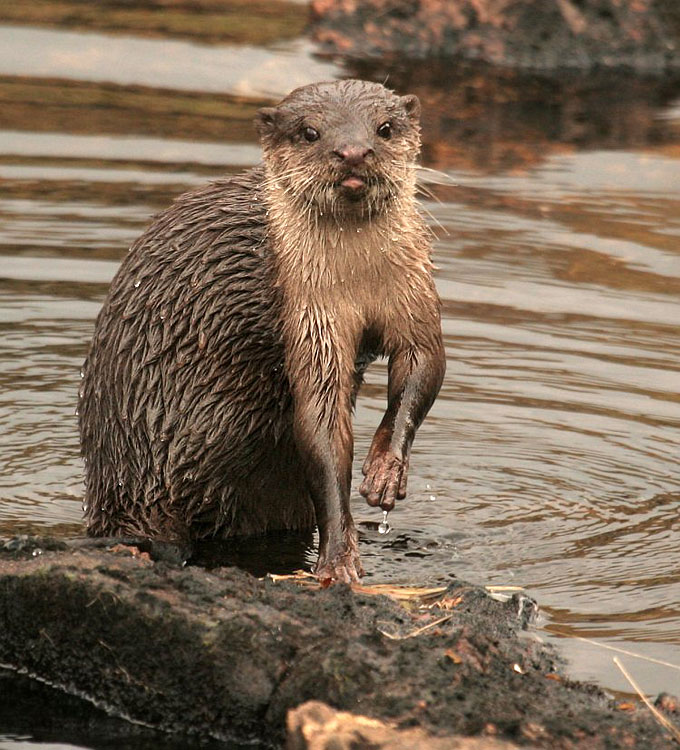
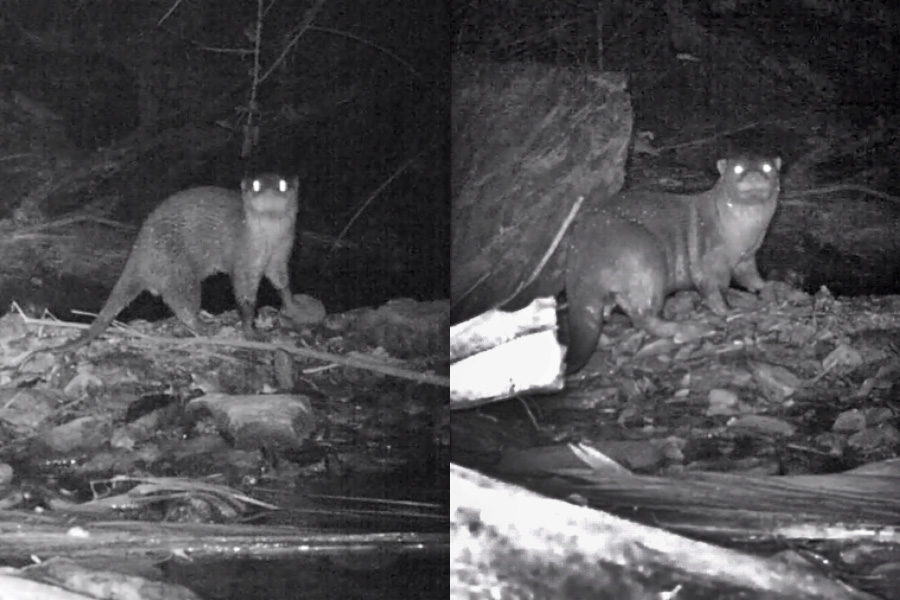 Otters in a Famous Tourist Destination
 Western Ghats Coffee Plantations Sustain High Bird Diversity in India
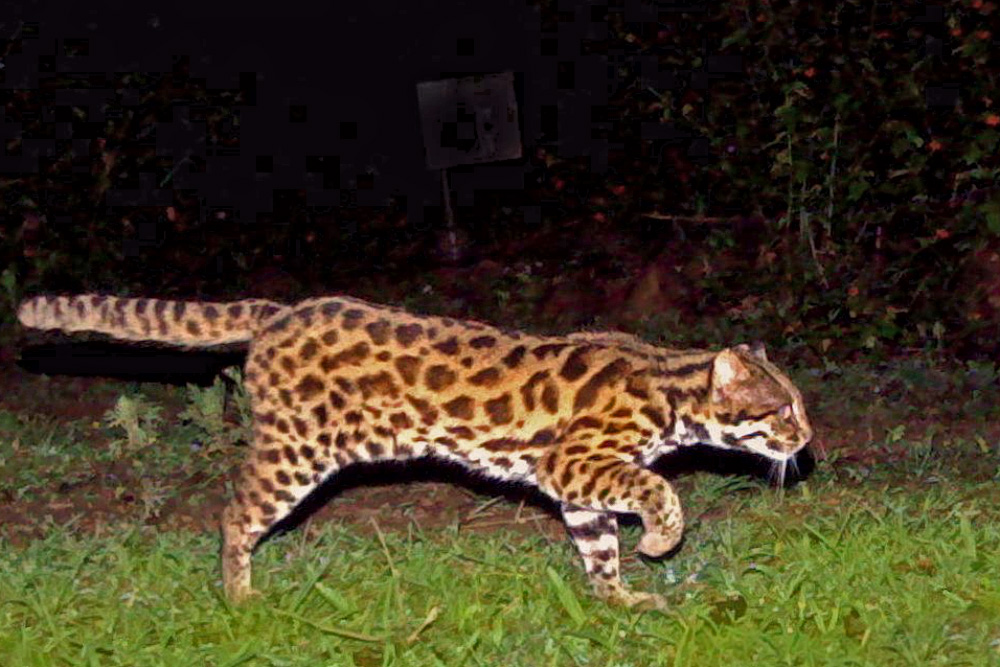


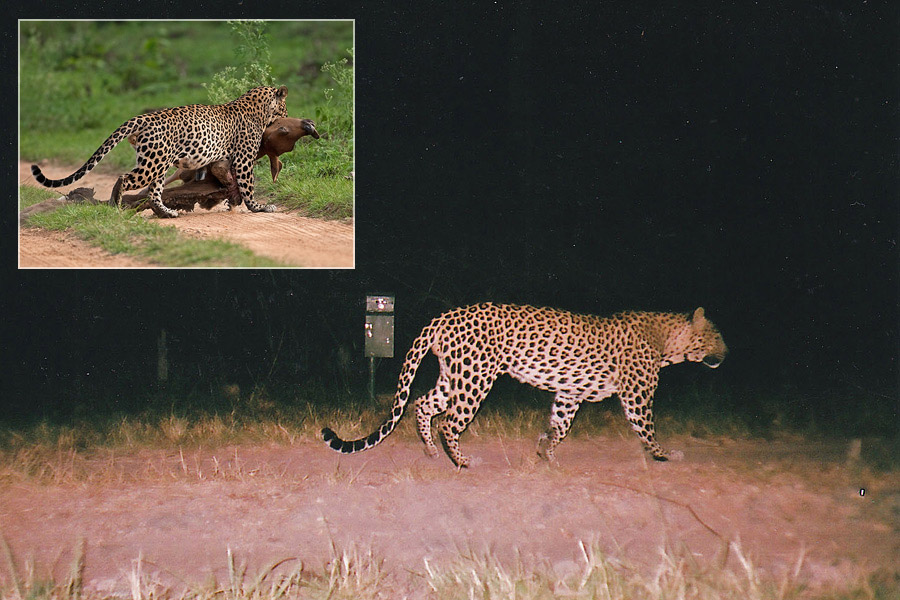
 Leopards in Crisis — Learnings for Uttarakhand
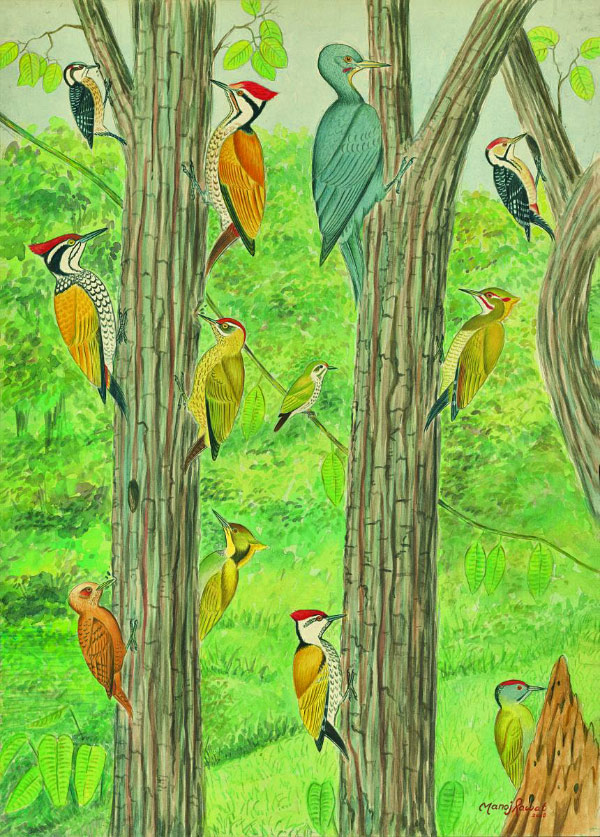 Large Trees are Critical for Conserving Woodpecker Abundance and Diversity in Sub-Himalayan Forests
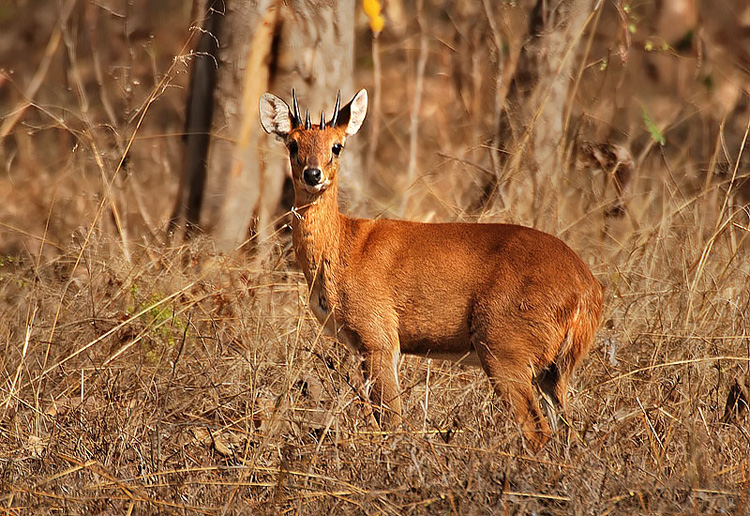
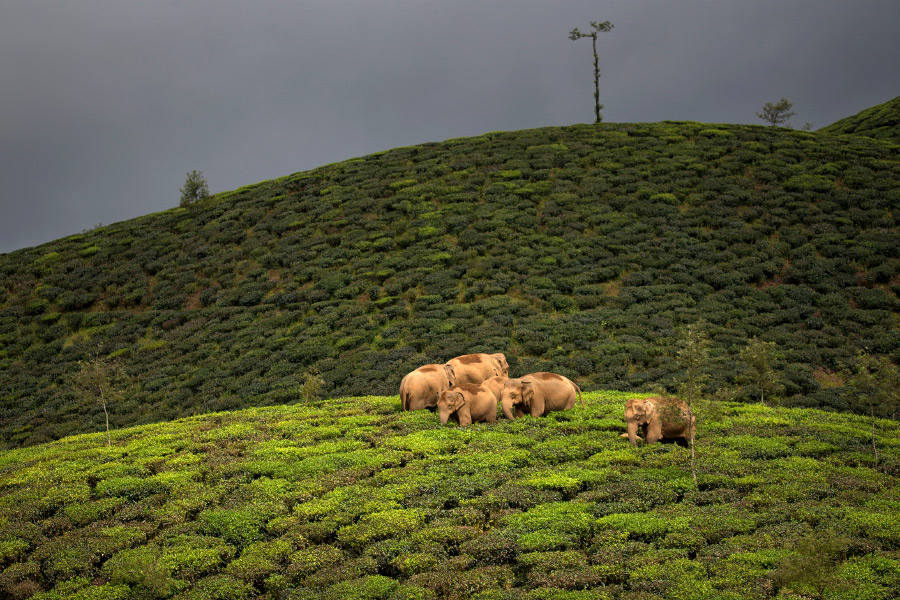 Science-based Approach to Promote Human-Elephant Coexistence — Lessons from Valparai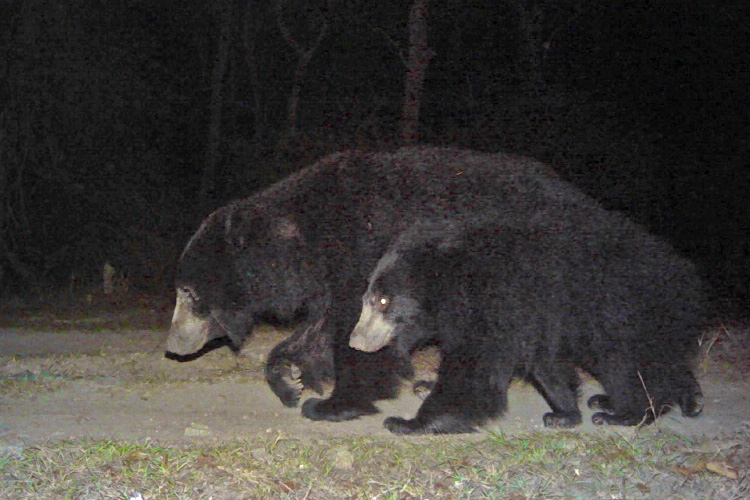
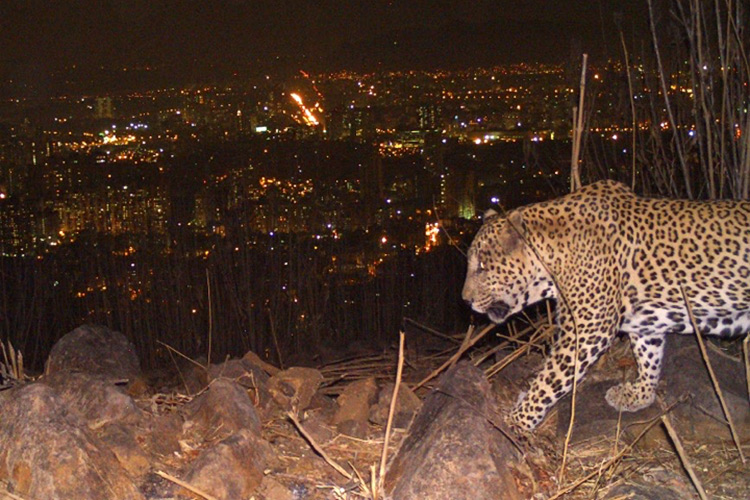 Lessons from Leopards — Uncovering the Real Conflicts in Sanjay Gandhi National Park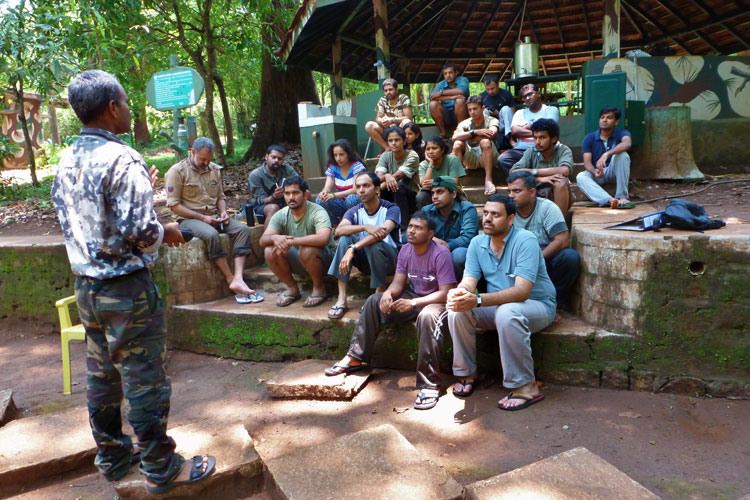










 CI is a non-profit, non-commercial portal that aims to facilitate wildlife and nature conservation by providing reliable information and the tools needed to campaign effectively.