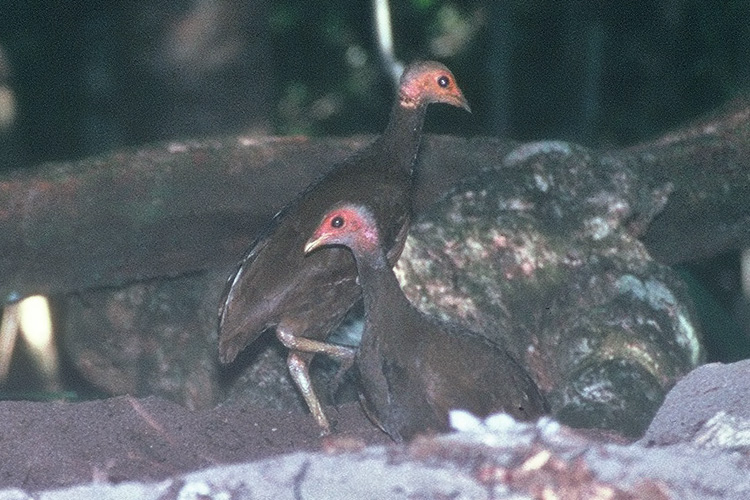
The Nicobarese get their Megapode

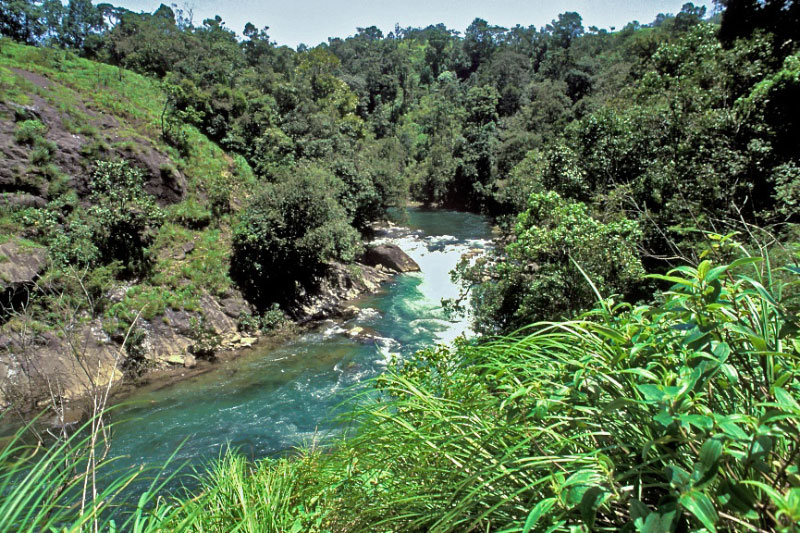
Nicobar Megapodes in their coastal forest habitat

A unique bird, a unique island, and unique customs that bind them all.

On Oct 04, 2012, Ministry of Environment and Forests (MOEF) rejected a proposal to create a missile-firing testing system on Tillanchong island, a narrow strip of island in Nicobar.

Tillanchong is an unfamiliar name for many. Uninhabited except for a police post, the Navy chose this Nicobar island for erecting a missile range for shooting dummy missiles. Tillanchong is a long, narrow ridge of land,… Read More

Stopping ‘Eco-Resorts’ In Their Tracks

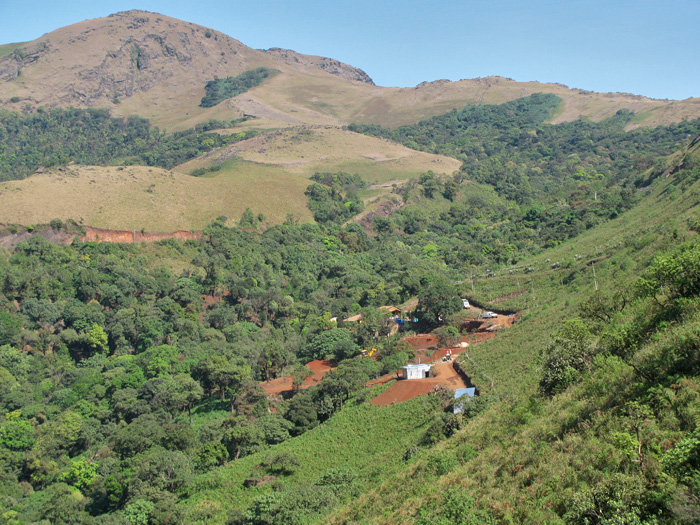
Digging up the Ghats

May 30, 2012: Based on a complaint filed by wildlife conservation NGOs, the Deputy Commissioner of Chikmagalur district in Karnataka cancelled the permission given to Satori Eco Adventure Resorts Pvt Ltd. for constructing resorts on Chandradrona hill in the Western Ghats. This cancellation is a significant milestone in the persistent battle by local conservation groups, WildCAT C and Bhadra Wildlife Conservation Trust, to halt commercial resorts in this tiger corridor connecting Bhadra Tiger reserve with adjoining forests. Read More

Flamingos of Sewri get a respite

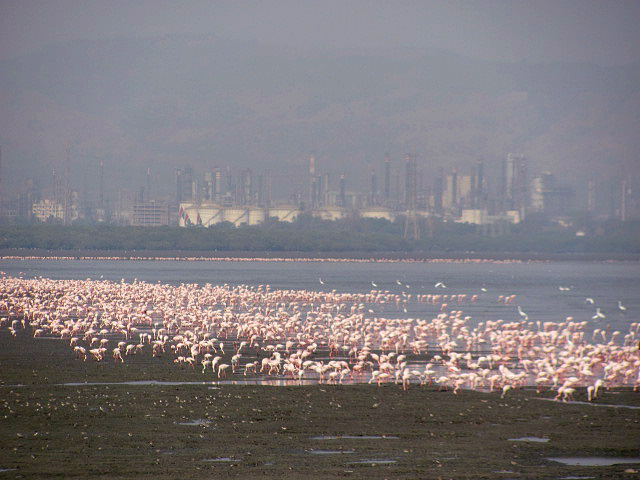
Flamingos in the Sewri mudflats in Mumbai

Mumbai. A March afternoon. The din of cars, and the hot cloying air of the city. And then, we reach the mudflats of Sewri in South Mumbai. We are, suddenly and unexpectedly, looking at a lattice of pink, scarlet and white. 10,000 Lesser Flamingos, feeding calmly. Like ballerinas, they shift their wings and legs, suffusing the air with elegance.

The noise of the city becomes distant. At the mudflats of Sewri in South Mumbai, this Spring, the Lesser and Greater… Read More

Declaration of a Vulture Sanctuary in Karnataka

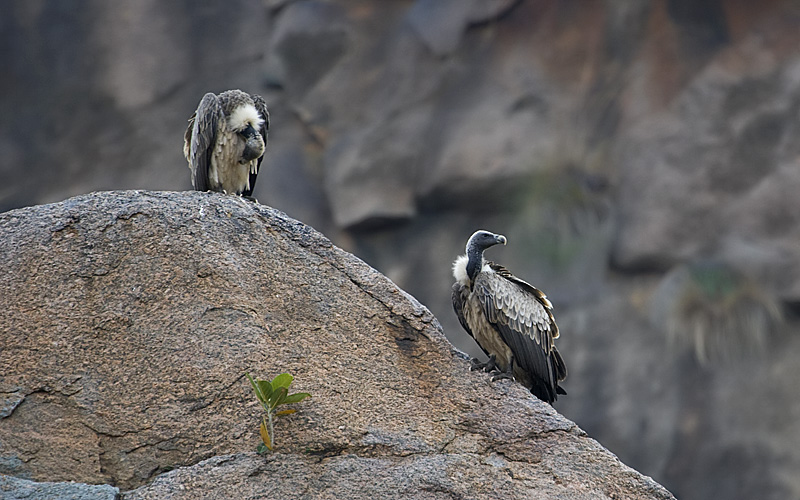
Long-billed Vultures in Ramadevarabetta

In 2005 a project was proposed for carving out a 217m tall Buddha statue out of a huge 270 m monolith of Handigundi that faces the Mysore – Bangalore road close to Ramanagaram in Karnataka. Many concerned nature lovers strongly opposed this proposal. They argued that it would not just desecrate a hillock and hill range of great antiquity, but also cause irreparable damage to a habitat that was home to a large number of birds, sloth bears and leopards.… Read More

Wildlife Gains 25 km Corridor in Kudremukh in Unique “Conservation Swap”

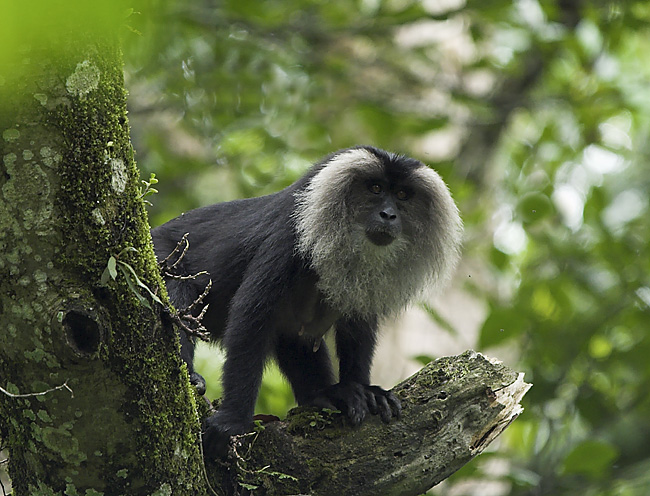
A lion-tailed macaque

In a precedent-setting “conservation swap” initiated by the Forest Advisory Committee (FAC) of the Ministry of Environment and Forests (MoEF), and the Karnataka Forest Department, a 25 km long wildlife corridor disrupted by a 220 KVA power transmission line in Kudremukh National Park has been restored. The line was originally supporting the now defunct Kudremukh Iron Ore Company (KIOCL)’s mining operations, shut down by the Supreme Court in response to litigation by local wildlife conservation groups.

The Karnataka government… Read More

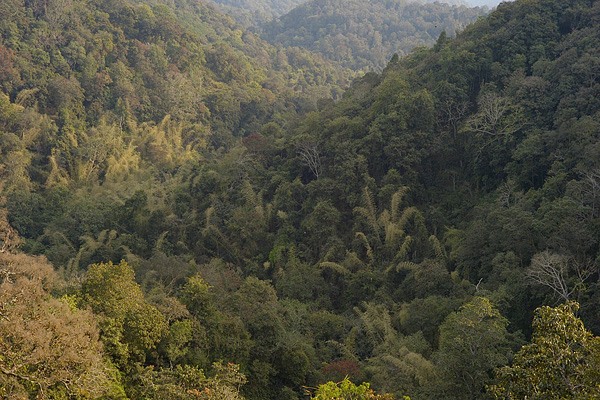
Negotiating For Protected Areas: How The Forests Of Anshi–Dandeli Were Increased

The forests of Anshi-Dandeli

Dandeli Wildlife Sanctuary has seen several drastic changes in its boundaries. It was originally notified as a game sanctuary covering an area of 127 sq km on 10 May 1956. In 1975, post the euphoria of Project Tiger, it was declared a wildlife sanctuary and its area was expanded to 5,729 sq km. In 1987, to facilitate development projects – hydro-electric, a naval base, roads, transmission lines, mining and other industries – the area of the sanctuary came crashing down… Read More

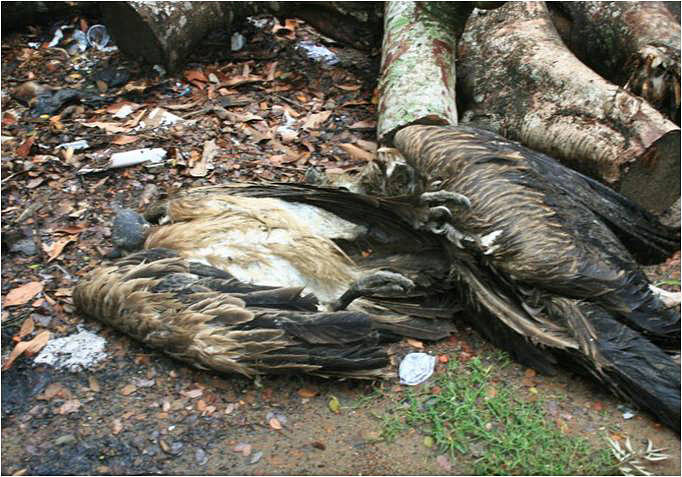
Effective or Not? Has the Ban on Diclofenac to Save India’s Vultures Worked?

A Slender-billed Vulture killed by Diclofenac poisoning

The results of a study published in 2011, five years after the ban in 2006, says yes, there has been a perceptible change in the use of diclofenac for veterinary use. But there is much more work to be done for the ban to be a success and for the country to see a rise in vulture populations.

The Indian subcontinent lost 95 per cent of its vultures in just 15 years. Of the eight species of vultures found in… Read More

Heights of Success — Snow Leopard Conservation in the High Himalaya

Snow Leopards In the Spiti Trans-Himalaya

The Himalaya and Trans-Himalaya support highly endangered populations of species such as the snow leopard, the black-necked crane, Himalayan black bear, brown bear, red panda, wild yak, Tibetan antelope (chiru), Tibetan gazelle, Tibetan argali, Ladakh urial, musk deer, goral, serow, and takin, to name a few.

Conservation in these high altitudes has been relatively neglected even though the wildlife here faces a variety of threats:

  • The snow leopard, wolf, and other carnivores are widely persecuted in retaliation against livestock

Read More

Mangalajodi — A Village Of Bird Protectors In Orissa

Mangalajodi Wetlands

How do you convert a village of hardened poachers into committed conservationists? Read on to find out.

Mangalajodi village is situated on the banks of Chilika lake in Odisha (formerly Orissa). Chilika Lake is a brackish water lake, with lagoonal characteristics, spread over the Puri, Khurda and Ganjam districts of Orissa state on the east coast of India. It is Asia’s largest brackish water lake. It is the largest wintering ground for migratory birds in the Indian subcontinent. The lake… Read More

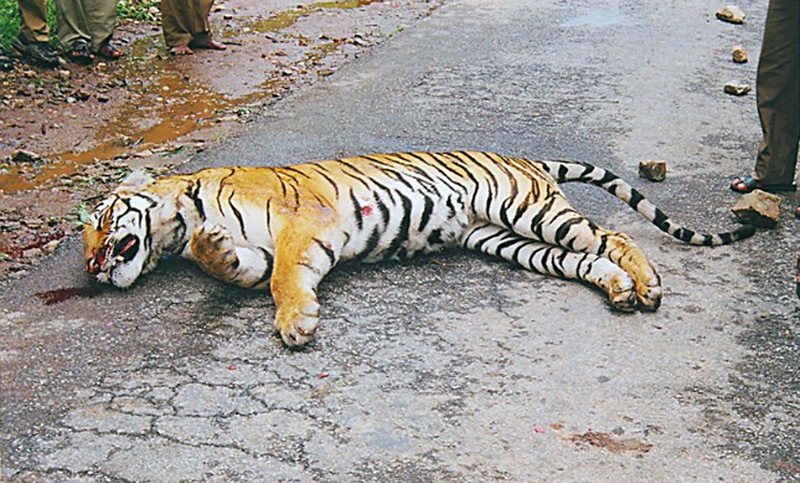
Closing Highways to Night Traffic — A Case Study From Karnataka

A tiger killed by a speeding vehicle in Bandipur

This Conservation India exclusive by Sanjay Gubbi, Assistant Director, Wildlife Conservation Society, and Member, State Board for Wildlife, Karnataka, highlights the conservation threat posed by roads and highways through PAs, showcases successful night closures of two major highways running through Bandipur Tiger Reserve in Karnataka and provides tips and inspiration for road closures in other protected areas.

Background: Impacts of roads on wildlife

India is in a phase of rapid infrastructural growth where improving the surface transport system is seen… Read More